The difference between a great event and a stressful one often comes down to simple furniture. Tables that fit your menu and guest count, chairs that hold up from first toast to last coffee, delivery crews that arrive when they say they will. I have planned and produced events in backyards, barns, rooftops, and ballrooms, and I have yet to see a timeline rescued by a late truck or a wobbly chair. Good table and chair rentals support everything else you do. They set the room, manage the flow of people, and carry the weight of your program.
Many hosts start with decor, then realize they have a puzzle of capacities, layouts, linen sizes, and load paths to solve. You can avoid last minute scrambles with a few habits that experienced planners use every week, and by choosing event rental services that treat punctuality and maintenance like nonnegotiables. Whether you are building an intimate dinner for 24 or a festival for 500, the process below will keep you covered.
Start with the guest experience, not the catalog
A rental catalog is helpful, but it is not a floor plan. Begin with the story of your event. Are you inviting families with strollers, or colleagues in suits? Do you need space for plated service or a line for street tacos? Will guests linger over dessert, or dance thirty minutes after dinner starts? These answers tell you whether to prioritize dining seats for everyone, lounge pockets, highboys near bars, or extra stations that ease choke points.
I often sketch a day in the life of a guest. They arrive, look for a welcome sign, grab a drink, chat, find a seat, watch a moment you care about, eat, and move again. Every transition wants a surface or a seat. When you think that way, you rent smarter. You might add four cocktail tables near the entrance so arrivals have a spot to land, or swap rectangular banquets for rounds if you want a more conversational dinner at a lower square footage.
Choosing table shapes and sizes that actually fit
Most vendors stock a core set of tables. The differences sound minor until you are placing plates. A 60 inch round properly seats 8, occasionally 9 with small centerpieces and 10 inch dinner plates. The 72 inch round can handle 10, sometimes 11, but it eats floor space fast. Six foot by 30 inch banquets seat 6 comfortably, 8 if you put someone at each end. Eight foot banquets suit 8 to 10, but servers need wider aisles for service, especially if you plan for bread baskets and shared sides.
For family style dining, assume 30 to 36 inches of table width per diner so platters and flowers do not crowd the edge. If the goal is a crisp plated service, tighter spacing works because plates fly in and out quickly. I keep a small tape measure in my bag and check venues in person. A ballroom that claims 200 people may only fit 160 at 60 inch rounds once you factor in buffets, a 12 by 16 stage, and a dance floor. CAD software helps, but nothing beats painter’s tape on the floor at the site visit.
Chair choices that balance comfort, look, and logistics
Chairs are where guests spend hours. Plastic folding chairs are light and budget friendly, but they can flex on uneven ground. Wood folding chairs look warmer outdoors and handle gravel better. Chiavari chairs photograph beautifully and stack tight in trucks, but they demand chair pads and more time to set. Crossback chairs read rustic and refined, yet they are heavier and need careful handling to avoid scratches.
If you plan a long ceremony, upgrade from a bare folding chair to one with a contoured seat. For corporate sessions, arms can help, but armchairs eat space and complicate tight row spacing. Consider ADA and elder access too. Reserve a few wider, sturdier chairs near aisles and leave extra space for mobility aids. If your layout spans grass, ask for a sample chair and test stability where it will sit.
Linen math without the headache
The right linen size looks intentional. Too short, and you see table legs. Too long, and dinner service fights with pooled fabric. For a 60 inch round at 30 inches tall, a 120 inch round linen gives floor length, a 108 inch hits around lap length. On 6 by 30 banquets, a 90 by 132 inch linen covers to the floor on both sides. Runners are visual lines, not band-aids for short cloths. If you want a crisp hem, ask about pressed versus bagged linens. In summer humidity, wrinkles relax, but you cannot count on it in a climate controlled ballroom.
A trusted party rental company will carry inventory maps that match their tables to recommended linens. The better ones train their crews to pull the right cloths for each order, and they double check at loadout. If crooked or stained linen arrives, you learn a lot about a vendor’s standards by how quickly they make it right.
Reliability beats variety, every time
Anyone can say they offer party rentals. The difference between reliable party rentals and the rest shows on show day. I look for three behaviors. First, on-time party rentals that land during the agreed delivery window. Second, clean inventory. That means clean inflatable rentals if you are adding kids’ fun, and chairs that do not smear clothes. Third, consistent communication. When a foreman calls from the truck with an updated ETA or a heads up about a road closure, I breathe easier.
Ask for references from repeat clients. Scan reviews for patterns about late deliveries or damaged items. Good event rental services do not hide from hard weeks. They invest in maintenance crews, they rotate linens before they fade, they power wash chairs, and they train drivers to call with photos if a drop site looks unsafe. If you see a chaotic warehouse, you can expect chaotic set times.
How many seats do you really need
Seating counts follow the type of event, not just the guest list. For a full dinner with toasts, seat everyone. For a cocktail reception with passed bites, a mix of seats and leaning space keeps energy high. Outdoor birthdays with bounce house rentals and water slide rentals often see kids on the move, so focus on shaded tables for adults and a few kid tables near snacks. For graduation parties, I plan 70 to 80 percent seating if the food is buffet style and the program is short.
For ceremonies, plan 10 to 15 percent extra chairs over RSVPs to handle late arrivals and plus-ones. For theater style talks, leave 2 feet per chair in every direction for safe egress. If your aisle must host a photographer and a processional, widen it by another foot. It sounds fussy until an usher tries to reseat a family while a server carries a stack of salads.
Layouts that move people where you want them
Traffic flow sets the tone. Anchor a buffet along a wall, not in a corner, so you can run two lines. Keep bars away from doors. They cause jams if guests stop the moment they enter. If you are running all in one party rentals with inflatables and dining in the same yard, place inflatable rentals downwind of food and upwind of neighbors. Generator noise travels in open air. Consider that kid zones want sightlines for adults, so aim to keep adult tables within a 30 to 50 foot visual of the fun.
Stages, screens, and dance floors have gravity too. Place them where you want guests to gravitate, not as an afterthought. A dance floor next to dessert warms up faster than one isolated in a side room. If you plan speeches, avoid sitting key speakers with backs to the mic. You will see them spin awkwardly. When possible, create a clear path for staff from the kitchen door to clearing stations so you are not threading through the densest part of the room with stacks of plates.
Weather, ground, and tent talk
Backyards and parks have uneven ground, sprinklers, and mystery slopes that do not show in photos. Chairs on grass can sink, so ask for wide foot pads or rubber caps. If you expect a hard rain within 48 hours of the event, boards or staging under bars and buffets keep things level. Tents change your table plan too. Sidewalls lower airflow, which makes 72 inch rounds feel tighter than they do in open air. Measure pole locations with your vendor so you do not end up with a leg through the middle of a head table.
When a forecast shifts, last minute party rentals can save you, but inventory thins quickly in peak seasons. Align early with a vendor that allows weather holds. Good partners will pencil in a tent or heaters and let you release or confirm by a cut-off time. That is no stress party planning in real life, not just a promise on a website.
When kids are part of the plan
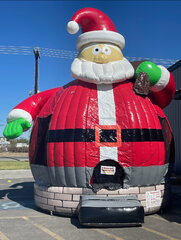
Family events move better with zones. If you add bounce house rentals or water slide rentals, safety leads. Pick inflatables that match age ranges, stake them properly, and check the wind rating. Clean inflatable rentals matter here. Ask about sanitizing between uses and whether attendants are required. Leave a dry path from attractions to seating so wet feet do not turn your main aisle into a slip zone. I like a dedicated snack and water table near the fun, which drops traffic at the main buffet and keeps parents close enough to supervise.
Booking policies that protect your timeline
Easy party rental booking should not mean vague terms. Before you sign, read how your vendor handles delivery windows, stairs, elevators, and long pushes. kids birthday chairs and tables rentals Ask about reroutes if a truck cannot access your street due to roadwork. Many companies set a base delivery rate within a mileage radius, then add a fee for after-hours pickups or Sunday returns. Damage waivers vary. Some cover normal wear, not guest misuse. Photographs at drop-off help settle questions later about scuffs or broken items.
Deposits often range from 25 to 50 percent with the balance due before delivery. Plan earlier if your event lands during graduation season, most fall weekends, or major holidays, when demand spikes for table and chair rentals and party rental packages. Change orders close 48 to 72 hours out because trucks are loaded and routes set. If you add ten chairs the morning of, expect a second trip fee.
Coordination with other vendors
Rentals do not live in a vacuum. Caterers need service tables, heat-safe surfaces, and a logical scrape and stack area. DJs want power within 25 to 50 feet of their booth and a table that supports their weight load. Photographers will ask you to avoid uplights directly behind key seats, which blow out faces in photos. If you build an all in one party rentals plan that covers food, furniture, lighting, and fun, designate one point of contact who fields all the vendor calls on event day. When too many leads give directions on site, crews stall.
Provide a simple vendor map the week before the event. Label entry points, truck parking, the kitchen, and the route to the setup area. If your venue has quiet hours or HOA restrictions, share them with the delivery team. A five minute power test for inflatables or coffee urns during load-in can save you from a bad breaker during service.
Quality signals to watch during the site visit
Walk your venue with the rental company if possible. I look for whether they carry furniture with two hands, not by the back slat. I watch how they secure stacks in the truck, and whether they use moving blankets between chair finishes so paint does not rub. Check hardware on fold-out legs. A loose rivet makes a chair wobble, and a dozen wobbly chairs ruin the feel of a table. Linens should arrive in sealed bags with labels by size and color. If you see a crew test a tent anchor by hand and with a mallet, you know they take weather seriously.
A trusted party rental company will also be honest about what not to do. If a deck cannot carry a dance floor load, they will say so and help you rework the plan. I once moved a sweetheart table because an onsite foreman noticed a drip line from the ceiling that had missed a scheduled maintenance. Thirty minutes of rethinking avoided a soaked bouquet and a frustrated couple.
Budgeting without lowball surprises
Tables and chairs can look cheap in isolation, then cost more once you add linens, delivery, setup, and breakdown. Price structures vary by market, but you can expect to spend roughly 5 to 12 dollars per basic folding chair, 8 to 18 for Chiavari with pad, and 8 to 20 for standard banquet or round tables. Linen adds another 12 to 35 per cloth depending on size and fabric, with specialty textures above that. Delivery might be 50 to 250 within a radius, then tiered. Stairs, long pushes, and late night pickups add fees.
Bundle pricing in party rental packages can save money if you need multiple items. All in one party rentals that include tables, chairs, linens, a dance floor, and basic lighting often come with a discount and a single truck roll, which tightens timelines. Just confirm that substitutions are allowed. If you do not need a dance floor, you want credit back for swapping to extra cocktail tables, not a take it or leave it stance.
Cleanliness and maintenance protocols
Nothing derails photos like smudged chairs or threadbare linens. Ask your vendor how they launder and store fabrics. Industrial washers and separate storage for pressed linens keep whites white. Chairs should be washed and dried fully to avoid mildew in humid climates. If you book inflatable rentals, request the cleaning log. The best vendors sanitize touch points after every event, then deep clean weekly. Do not be shy about inspecting the truck at drop-off and noting any issues. Reputable teams would rather swap items than leave you unhappy.
Safety, load, and permitting
When your event moves furniture through elevators and tight stairs, measure twice. Most 72 inch rounds cannot stand in a standard elevator. Your vendor might send knockdown tables with detachable legs for those sites. Outdoor public spaces often require permits for tents, generators, and amplified sound. Anchoring rules vary by municipality. Water barrels solve some problems on hardscapes, but they need certified fill and clear pathways for the hoses. Fire lanes must remain open. Your rental foreman should know the drill, but you remain the permit holder in many cases, so keep copies onsite.
A tale of two Saturdays
On a June weekend, we ran two backyard weddings, 15 miles apart. Both had 150 guests and a 5 p.m. Ceremony. The first couple booked a company known for on-time party rentals and detailed confirmations. We did a site visit, taped the yard, and flagged sprinklers. The truck arrived at 8 a.m., crew chief called from the corner when a delivery van blocked the street, and they staged 60 inch rounds with wood folding chairs plus a small lounge. It rained at 3 p.m. We pulled linens, kept chairs under a pop-up, then reset in 18 minutes. Guests barely noticed, and dinner started three minutes late.
The second job went the other way. A last minute party rentals outfit offered a lower rate. They missed the delivery window, then showed with a mixed set of chairs. Ten were missing pads, six had flaking paint. With photos and quick negotiation we got a partial refund, but the timeline slipped. The ceremony started with some guests standing. The couple handled it with grace, but we all felt the strain. Price had not told the full story. Reliability did.
When and how to add entertainment rentals to the mix
Adding kid-friendly features like bounce house rentals and slides can make family events more enjoyable for everyone. Keep the math in mind. Inflatables need 3 to 5 feet of clearance on all sides, plus tie-downs. Water units require a dedicated hose, a safe runoff plan, and power with a ground fault circuit interrupter. Position them where supervision is easy, then think about the neighbors. Pump noise and excited shouts carry farther than you expect. Clean inflatable rentals and trained attendants reduce risk. If you rent from a separate vendor, coordinate drop times so big pieces go in first and tables follow. It is faster to roll a chair cart around a blower than to squeeze a 200 pound unit through a maze of set tables.
A short planning checklist you can trust
- Confirm guest count ranges and seating style, then convert to table and chair quantities with 10 percent cushion. Walk the site with tape and a notepad, mark obstacles, measure doors, and decide clear delivery paths and staging areas. Choose table shapes by service style, then match linen sizes intentionally, not by guesswork. Verify power, ground conditions, and weather backups, and place holds on tents or heaters if needed. Lock delivery and pickup windows in writing, with contacts for drivers and a plan for access issues.
Your timeline from first call to event day
- Two to three months out, call a trusted party rental company and ask for a quote with delivery, setup, and breakdown. Share a rough floor plan and any special needs like ADA seating or inflatables. Six to eight weeks out, confirm counts based on RSVPs to date, place deposits, and schedule a site visit. Loop in caterers and DJs to ensure table types and power meet their needs. Two weeks out, finalize numbers, linens, and any add-ons. Check permitting requirements for tents, parks, or street closures. Three days out, re-confirm delivery windows, access codes, elevator reservations, and weather plans. Send a vendor map to all leads. Event day, meet the crew, walk the plan, and label stations. Keep the foreman’s number handy, and do a final safety pass before guests arrive.
What great service feels like
Great service is not flashy. It looks like a driver who knows your street and backs the truck where you asked, a crew who builds the space exactly as drawn, and a manager who finds solutions without drama when a curveball lands. It feels like no stress party planning because the hard work happened before you ever set a napkin. Easy party rental booking, clear invoices, and fast confirmations add up to peace of mind.
If you are new to the process, start small with a partner you like. Rent tables and chairs for a birthday, add linens and a few extras for the next gathering, then build toward larger party rental packages as your comfort grows. When you find a team that shows up clean, on time, and ready to help, hold onto them. They make your ideas real, and they keep you covered when the unexpected knocks at the door.